
Balm: Noun. A fragrant ointment or preparation used to heal or soothe.
Poison: Noun. A substance that is capable of causing the illness or death of a living organism assumption when introduced or absorbed.[1]
Everything is that shade of pewter that exists only twice a day, and the stone wall I’m sitting on is cool to the touch. My nephew, 17 is beside me in the near-dark, waiting for the sun to rise over Siem Reap, Cambodia and the temples of Angkor Wat. There is a rustling in the ruins behind us, and we turn to see two little girls, Cambodian children. So often, they are selling woven grass bracelets or postcards, or asking for loose change.
A woman beside me gasps. “They’re hungry,” she says quietly.
And only then do I see the girls aren’t begging for change, but for the telltale white foam containers we travelers have. It’s the standard sad, overpriced takeaway breakfast offered by hotels for guests with early excursions: two slices of white bread, a small banana, and a hard-boiled egg. My nephew and I had been so unimpressed, we’d abandoned them in the tuk-tuk. And only now do I realize the food we wouldn’t deign to eat has value. That it is just sitting there, an insult, as these children and our driver go unfed.
Later, we offer our breakfasts to our driver, Tora, who gratefully accepts them even though the ants have already started to claim their share.
Midday, we stop at a touristy cafe and I invite Tora to join us. He shyly declines, but says he will have lunch with the other drivers and I can pay if I like. I acquiesce, knowing there are invisible social borders for which neither of us has a passport to cross. When my nephew and I emerge from the cafe, overstuffed, our driver is hurriedly packing several plastic bags of food under the tuk-tuk bench. He is embarrassed. And in that instant, we realize he is squirreling away the food to take it home to his family: his wife, his five children, his newborn baby. Of course.
“It is not as expensive as your lunch,” he explains apologetically. And I have no words sufficient to erase his shame, nor mine. I wouldn’t have missed the money had he filled his entire tuk-tuk with food, but to say this would make things worse. And so in an effort to preserve his dignity, I smile, offer him the Angkor beer we’ve brought out for him, and tip him to the best of my ability at the end of the day, for his good service and his good heart.
When he takes us to the airport to catch our flight, Tora uses his carefully rehearsed English. To my nephew he says, “You are my brother.” And turning his eyes on me, he says, “And you are my sister.”
Luxury bedding. Preferred seating. Buttoned-up staff and air-conditioned transport and cascading water fountains. Chain restaurants with a side of ranch dressing. Tourism is all balm. Tourism shields us from the hard truths, obscuring anything that might sully our impressions or raise questions in our minds. Tourism shows us what someone thinks we want to see, and nothing more. Tourism invites us to criticize indignantly the places and people and experiences that make us uncomfortable, the roach in the restaurant bathroom, the train delay, the language barriers, the hard mattress, the beggars. Tourism never looks itself in the mirror, as tourism is always the fairest of them all.
Many of us spray poison on our lawns to kill the undesirable plants that self-seed in our yards, yet never strive to poison the noxious thoughts and limiting beliefs that self-seed in our minds. The assumptions planted there are a biproduct of where we were born in the world, what life we were raised into, the information we’ve consumed, our economic background and the experiences we’ve sought. Perhaps that is the unintended fallout of our tourism-focused American culture; unspoiled vistas and frothy drinks and instagramable scenes draw crowds, but intentional discomfort is hard to sell. Travel, when done right, offers a poison that transforms us.

There is, in my mind, not only room for both the poison and balm of the travel experience, but a need for both. I have long thought of travel as the spoonful of sugar that helps the hard lessons go down. The problem is, as Americans, we tend to favor, even seek out the balm alone. Questioning assumptions really isn’t in our nature–and arguably there are many who would prefer we not question anything, ever. Discouraging a population from asking questions is a powerful strategy for maintaining the status quo. But if we aren’t seeking personal transformation, if we don’t travel to learn, and grow, and challenge our assumptions, to destroy what’s rotten and mend what’s broken within us, what are we doing? Why bother leaving home at all? Indeed, while the number of Americans who own a valid passport continues to hover near 40%, about 60% are apparently seeking neither international travel, nor travel-induced transformation, at all.
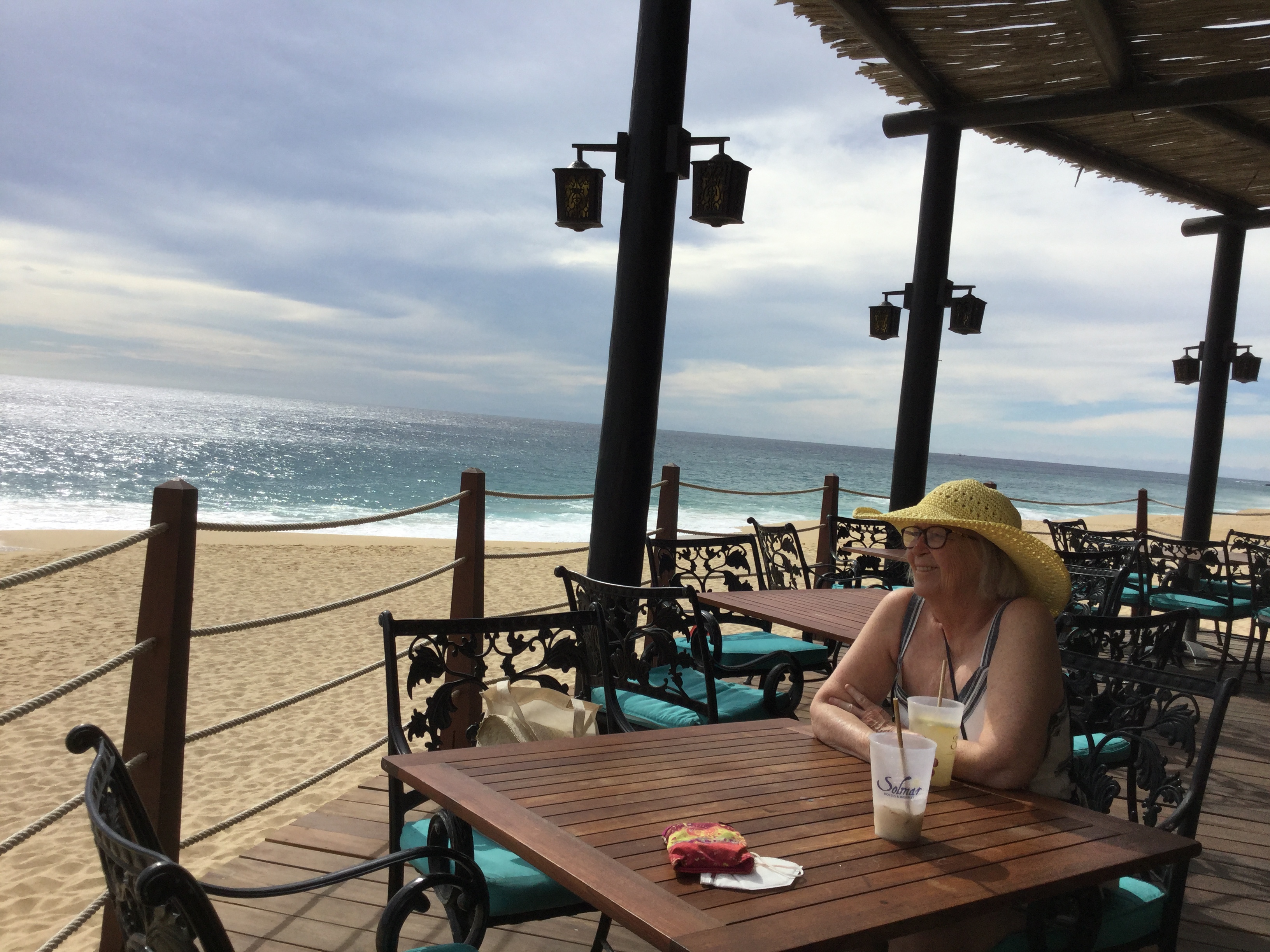
Tourism is travel shielded by blinders of sterilization that lull us into a state of contentment, absent from critical thinking. But I believe there is a growing interest among travelers in removing those blinders and cutting closer to the cultural bone. I believe there are travelers who see the value in the so-called poison: to destroy what no longer serves us so that we can build anew our nations of thought, draw roadmaps to how to become better people and sketch blueprints to build a better world. Travel cuts out the middle-man, the ringmaster, the puppeteer–exposing the raw flesh of a nation and its culture, slicing the world open so you can gaze upon its warm, beating heart. It’s in becoming a traveler that we strip away much of the balm, so that we can examine the truths of the world, and in so doing, gain better understanding of the truths within ourselves.
If it’s rest we need, then indeed we should seek out the settings that will coddle us in our precious and limited off time. Sadly, Americans are typically robbed of the opportunity to engage in transformational travel by a pathetic cultural norm of less than two weeks of vacation time a year. Transformation takes time. And in our culture, one typically has to forge a pathway other than the in-office 9-5 to get there. Perhaps there is fear behind our limited allotment of time off or PTO; fear that we might return home so transformed we realize our profession is unfulfilling and we want something else for our lives. If we take just a week at an all-inclusive resort, we have just enough time to catch our breath, complain of sunburn, and return home ready to work again.
I would argue what we need is not so often rest however, but wisdom. And wisdom will never be found at the four-star hotel or the waterpark. We need to be wrecked by the world: to have the skyscrapers of isolationism torn down so that we can gain an unobscured view of our collective humanity. We need to reframe our understanding, or as I like to call it, shift the camera. We need to step away from the echo chambers of social media and consumerism and social circles, and immerse ourselves in what we do not understand. We need to feel lost and small and far away from our comfort zone. Only in willingly deconstructing our constructs are we able to return to our lives with insights that were previously beyond our grasp, invariably enriching our human experience.
Getting there can be tricky. It means eschewing tour groups and going it alone or with a travel companion. It means powering down from social media so you can be present to the experience. It means staying at the humble family run hotel, living with locals, or opting for the 2-star experience over the 4-star chain. It means sweating it out next to chickens on the local bus, or hailing a pedicab or tuk-tuk instead of the luxury coach. It means shopping, eating and spending time where locals do, not necessarily where the tourists spend their time. It means being kind and communicating with the people you’ve traveled so far to know, in whatever way you can: in a language you barely speak, by pantomiming or simply with a smile. It means setting aside those checklists, and choosing to do less so that you can be mindful and absorb more. It means shopping at markets where they sell things you’ve never seen: snails and goat heads and plants that blow your mind. It means pointing at photos on the menu and trusting that locals will help you get something delicious. It means paying attention to what’s happening around you, how it differs from what you’re used to, how it challenges you and your understandings of the world. It may mean saying yes when you get a heartfelt invitation to someone’s home, or a gathering, where you will experience something you’ll never find in a guidebook. It means being grateful for everything your new friends have offered, even if it isn’t what you would have expected or wanted, and especially if it challenges you and your beliefs. And perhaps most importantly, it means treating people as humans, as equals: with respect and compassion, not as servants tasked with making our vacation pleasant. I guarantee you’ll get much more back in return.
As a bonus, you’re likely to find that real travel, the kind that transforms you, costs less than the luxury travel price tag. Street food from a local vendor who has been making it for decades is typically cheaper than a restaurant. Two-star stays and homestays will set you back a fraction of what the big chains will cost. And plotting your own path instead of going with a tour group is infinitely less expensive and more flexible, so you can take time where you need it to really immerse yourself in the experience. Your trip is less likely to have the highly polished veneer of luxury travel, but seeing the wear and rust of the world exposes you to the truths that would otherwise be obscured, and to me that’s far more meaningful and beautiful.
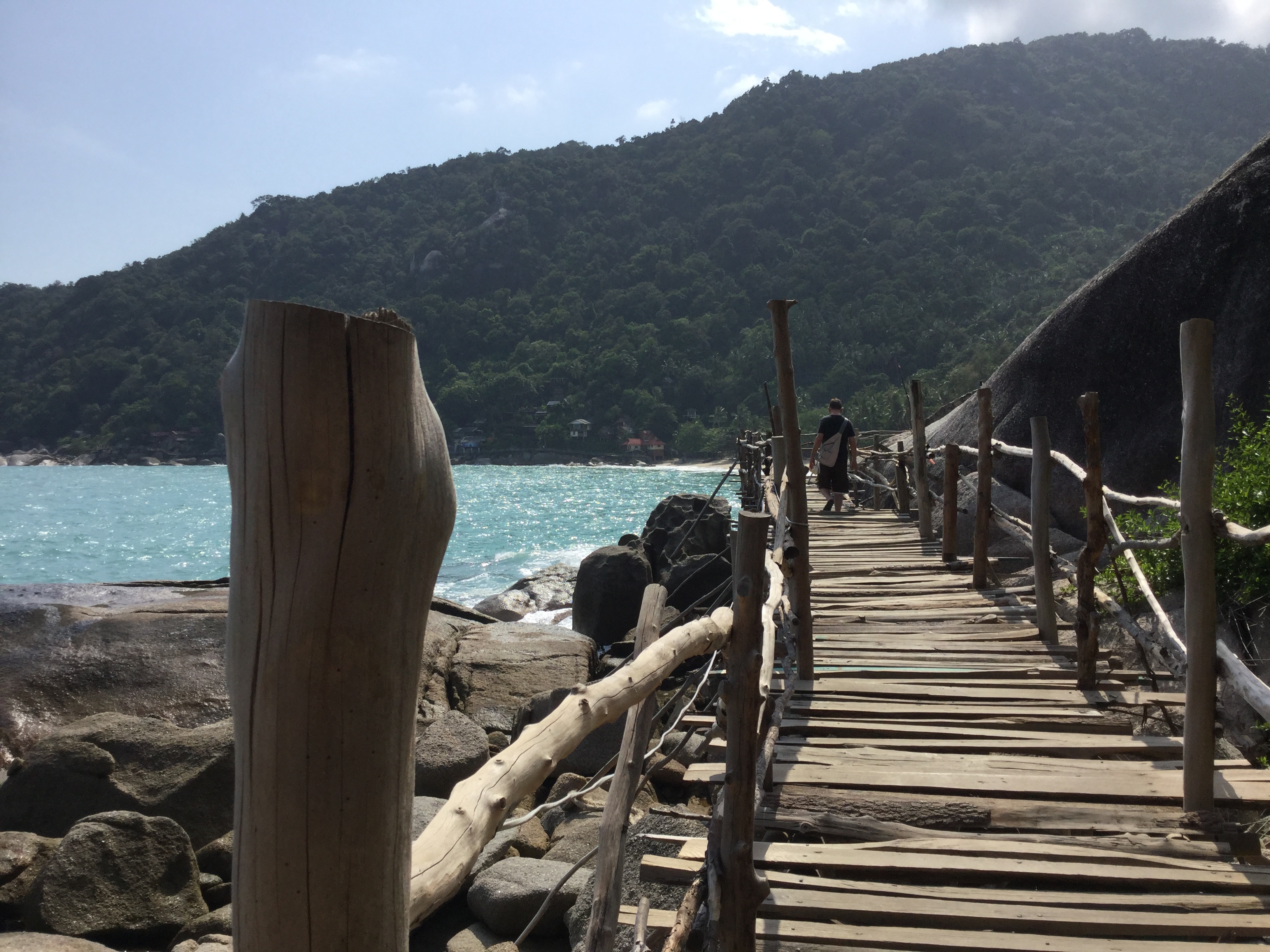
But be forewarned: poison can burn on the way down, and the transformation we experience is rarely the transformation we want or expect. If you aren’t uncomfortable in some of your travels, if you don’t feel emotionally, spiritually and physically crushed at various points along your journey, in my mind, you’re not doing it right. The world is a great teacher. But we must enter into the travel experience as students: insatiably curious, hungry for the hard lessons, and thirsting for the elixir of understanding, however much it hurts. Only in retrospect will we realize, poison was the balm we needed all along.
We’ve been sharing transformational travel content free of charge, ad-free and sponsorship-free since 2011. If you enjoy our content, please consider supporting our work here: https://rollerbaggoddess.com/support-our-work/.
[1] Definitions taken from Oxford Languages, accessed via Google’s English Dictionary.

Charish Badzinski is an explorer and award-winning features, food and travel writer. When she isn’t working to build her blog: Rollerbag Goddess Rolls the World, she applies her worldview to her small business, Rollerbag Goddess Global Communications, providing powerful storytelling to her clients.
She is currently working on a collection of her travel essays entitled: Sand Dunes, Sea Salt & Stardust.
Posts on the Rollerbag Goddess Rolls the World travel blog are never sponsored and have no affiliate links, so you know you will get an honest review, every time.
Read more about Charish Badzinski’s professional experience in marketing, public relations and writing.
Discover more from Rollerbag Goddess Global Communications
Subscribe to get the latest posts sent to your email.
 Rollerbag Goddess Global Communications